
By Sahar Ben Rached, African Quantum Consortium
The world is entering a new technological revolution, one driven not by smaller transistors, but by our ability to harness the fundamental laws of quantum mechanics. Technologies based on photons, electrons, atoms, and ions are moving from research labs into real-world computing systems, opening the door to an entirely new generation of computational capabilities.
This is the promise of quantum computing.
Unlike conventional computers, which process information using classical bits, quantum computers exploit quantum mechanical phenomena to solve certain classes of problems far more efficiently than today’s most powerful supercomputers. While the technology is still in its early stages, the progress made over the past few years has been remarkable, and its long-term potential is becoming increasingly clear.
As computational demand continues to grow, driven largely by artificial intelligence, scientific discovery, and increasingly complex simulations, the limitations of traditional computing infrastructure are becoming more apparent. Modern high-performance computing (HPC) systems require enormous amounts of electricity and cooling, making scalability both economically and environmentally challenging.
Quantum computing offers a promising complementary approach. By accelerating computationally intensive tasks, future quantum systems could dramatically reduce the time and energy required to solve problems in fields such as materials science, pharmaceutical discovery, climate modeling, optimization, cybersecurity, and artificial intelligence. Rather than replacing classical supercomputers, quantum technologies are expected to work alongside them, creating hybrid computing infrastructures that combine the strengths of both paradigms.
This vision was at the heart of the conversations and technical sessions throughout ISC 2026, one of the world’s leading conferences on high-performance computing. A consistent message emerged across industry leaders, research institutions, and technology providers: the future of computing will be built at the intersection of High-Performance Computing, Artificial Intelligence, and Quantum Computing.
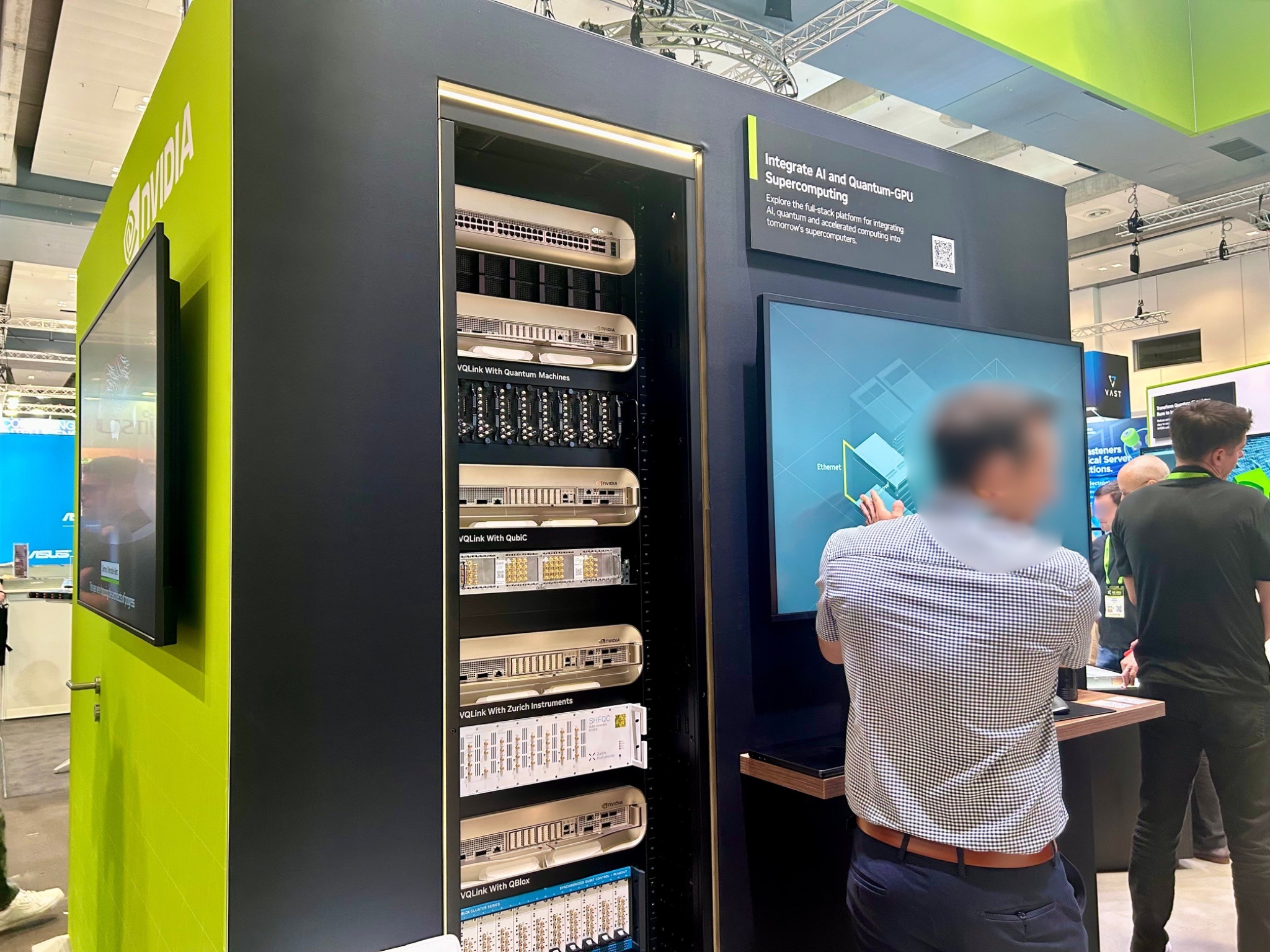
Walking through the exhibition hall made this future feel tangible. Companies and research organizations from around the world showcased the first operational quantum testbeds, hybrid quantum-HPC platforms, advanced networking technologies, and collaborative initiatives that are laying the foundations for tomorrow’s computing infrastructure. The event highlighted not only rapid technological progress, but also the importance of international collaboration in accelerating innovation.
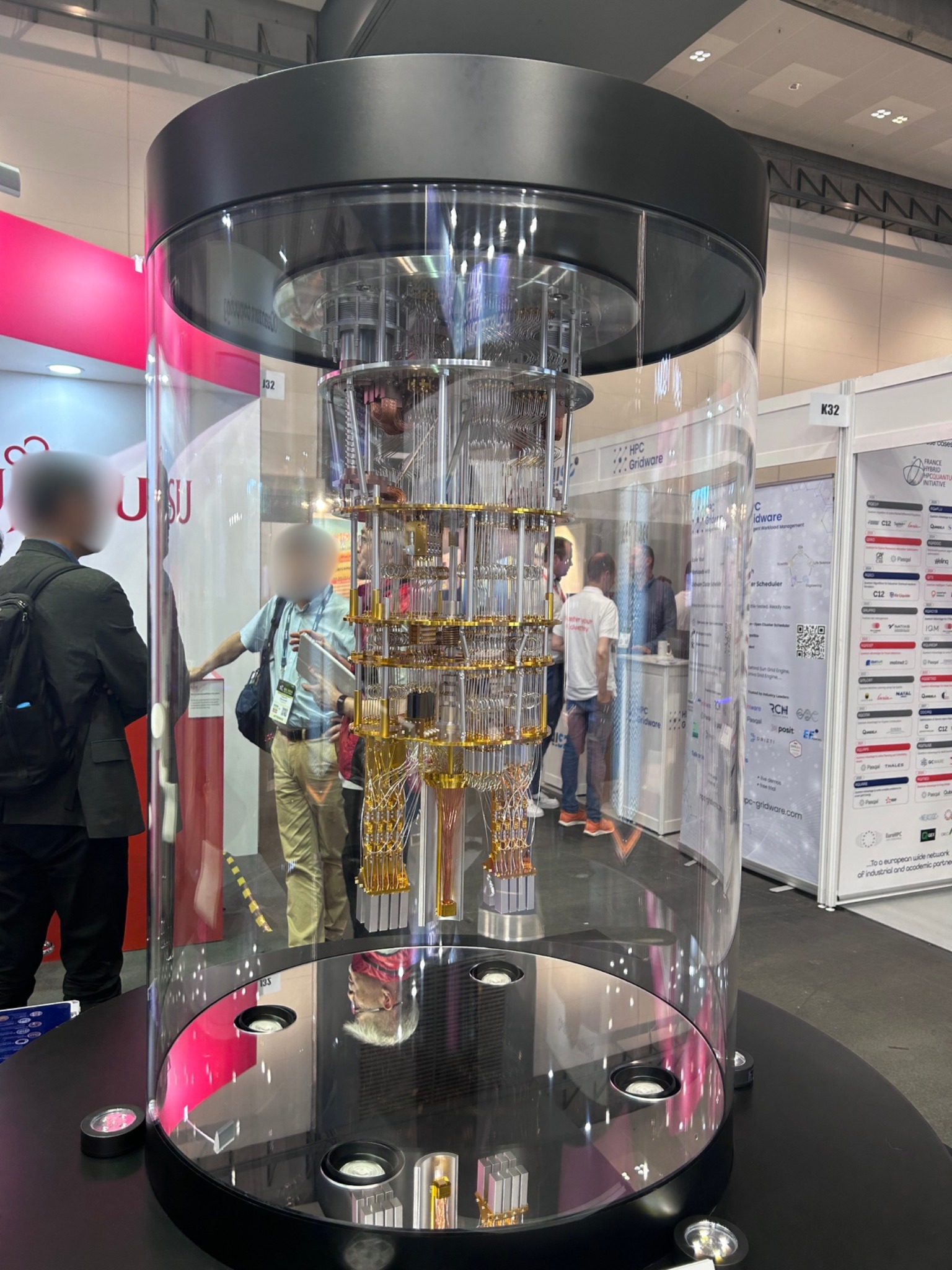
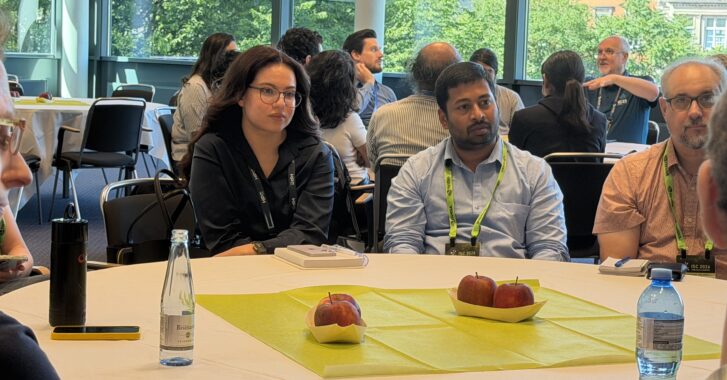
For me, attending ISC 2026 as both a quantum computing researcher and a startup founder developing infrastructure software for scalable quantum computing systems was an invaluable experience. My work focuses on one of the field’s most significant challenges: enabling multiple quantum processors to operate together as a unified computing system. Discussions with quantum hardware developers, HPC providers, and technology partners reinforced the growing consensus that interoperability, scalable software, and close collaboration between academia and industry will be essential to realizing practical quantum computing.
Beyond the technical advances, the conference also served as a reminder that building the next generation of computing will require a truly global effort. Progress will depend not only on breakthroughs in hardware, but also on the software ecosystems, partnerships, and research networks that enable these technologies to be deployed at scale.
I am grateful for the support of STEM Trek that made my participation at ISC26 possible. Opportunities like this allow researchers and entrepreneurs to engage directly with the international community, exchange ideas, build partnerships, and contribute to shaping the future of computing. As quantum technologies continue to mature, conferences such as ISC provide an exciting glimpse into a future that is rapidly becoming reality.