By Himeshi De Silva, Scientist at Agency for Science, Technology and Research (A*STAR) in Singapore
The Conference for Next Generation Arithmetic (CoNGA) found a new home this year in the form of TANGO (nonTraditional Architecture and Next-Gen Computational Orchestration) ahead of the Supercomputing (SC)25’ Conference in St. Louis, Missouri. CoNGA is the brainchild of Professor John Gustafson and provides an open venue for researchers and practitioners aiming to explore alternative forms of number representations and their arithmetic for various scientific applications to present their work. While I had been involved with organizing CoNGA for several years – joining as a student volunteer at its inception in 2018 and serving as program chair last year – attending the conference this year seemed uncertain, and I was facing the unfortunate possibility of missing it for the first time. Thankfully, Elizabeth Leake and TANGO fully embraced CoNGA and went even further to support me with full funding to attend the CoNGA and TANGO events. They did not stop there however and provided me with an all-inclusive conference registration for SC25 complete with tutorials and workshops for which I am extremely grateful as it gave me an invaluable opportunity to experience and learn the latest in HPC from those at its forefront.
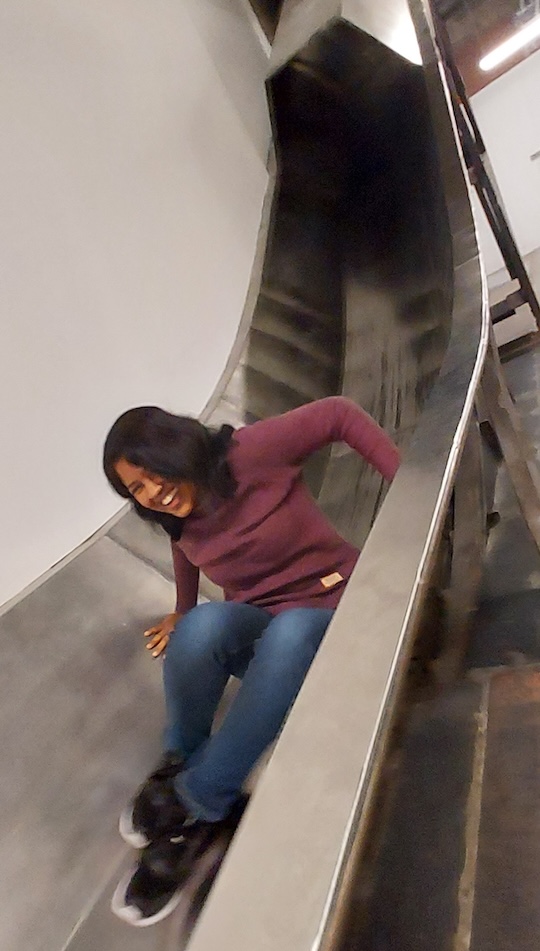
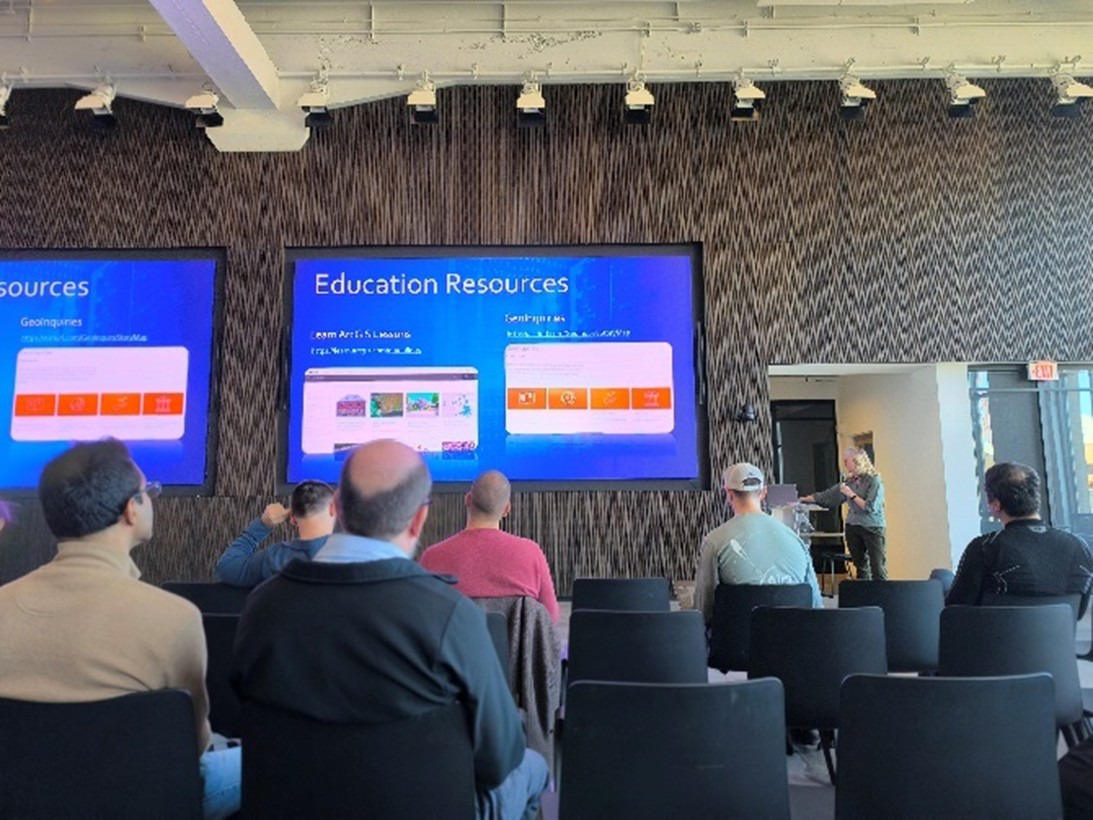
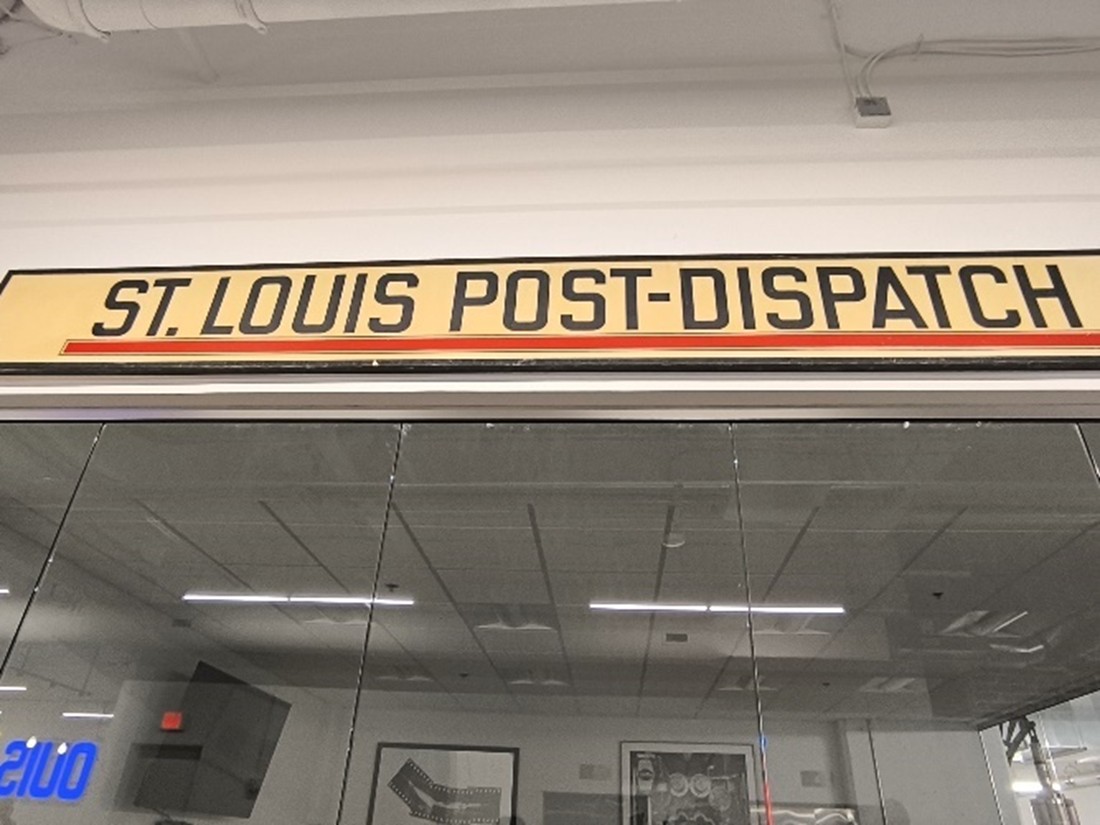
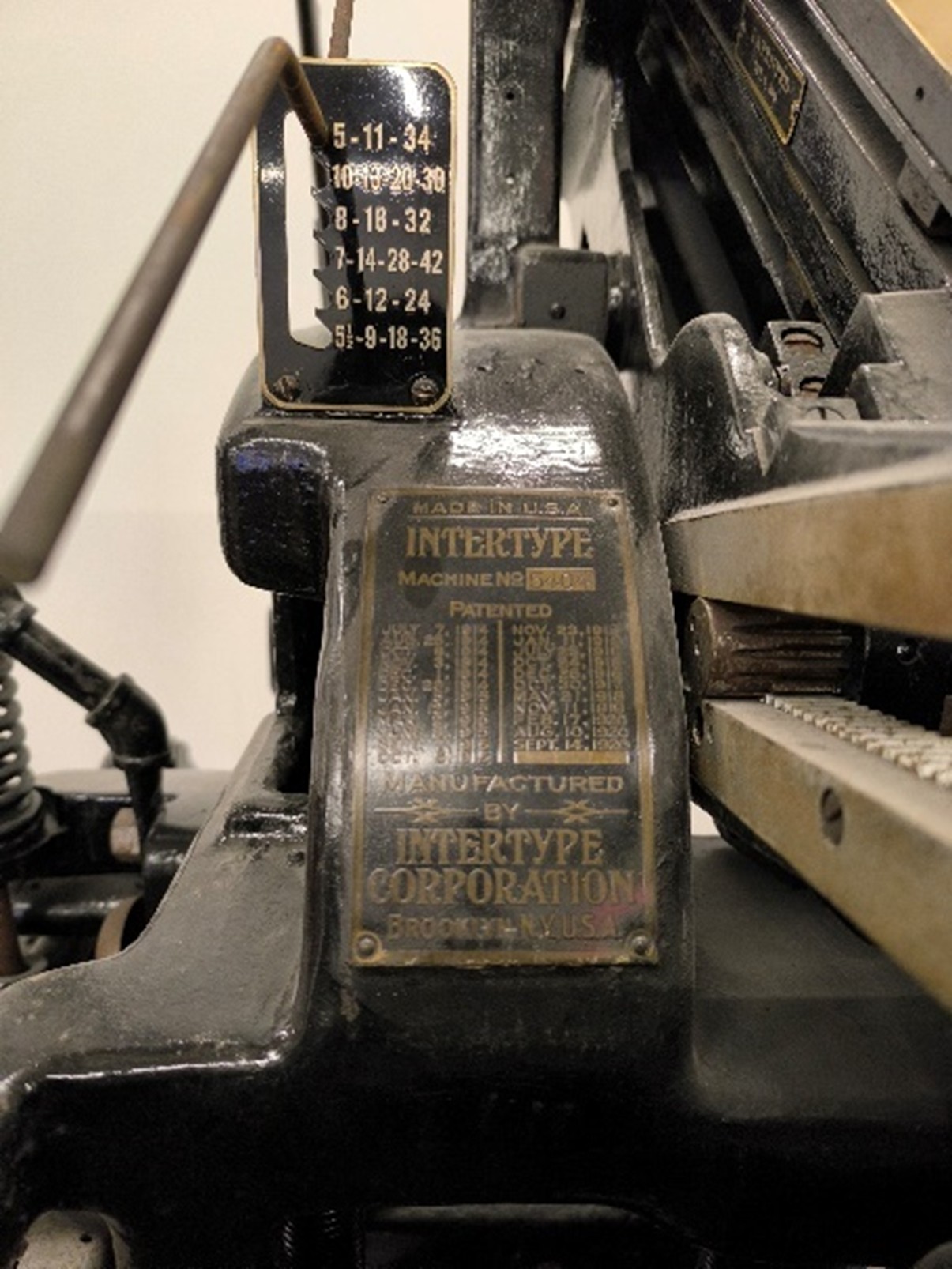
TANGO kicked off on 14th November with a jetlag day at the Post building in St. Louis. Having travelled for 40 hours to get to St. Louis and a 10-hour time difference with Singapore behind me, this was a much-needed dose of excitement to keep me awake and set me up for the conferences ahead. The day featured talks from organizations based in St. Louis and a tour of the building, which once housed a newspaper but has now been converted to modern working spaces. It was interesting to see that the character of the building had been preserved with the German presses still looming tall over the conference room. Given that newspapers were the main source of information in the past it seemed appropriate that they looked down over the activities of TANGO seemingly in approval. The most fun part of the building tour was going down a slide converted from a conveyor belt used to deliver reams of paper for printing. More fun ensued later with a calzone dinner and birthday celebrations for Elizabeth Leake and another in our cohort who were both turning 21 (for the third time in Elizabeth’s case)!
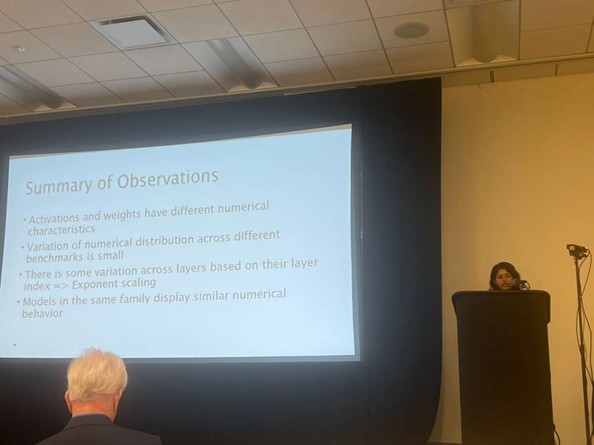
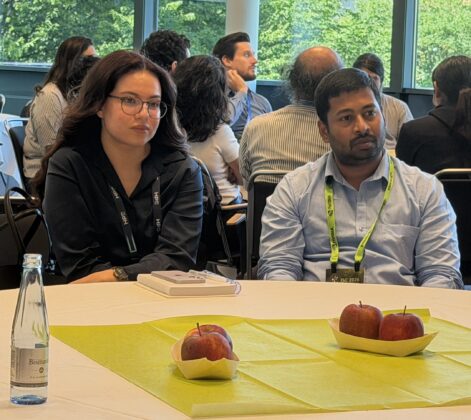
After a joyful first day the serious business of TANGO began next morning with Professor John Gustafson delivering the opening remarks for CoNGA. The keynote speaker was Jeffrey Sarnoff, Secretary of the IEEE P3109 – Arithmetic Formats for Machine Learning committee who presented the details of the draft standard which aimed to create a new IEEE standard for number formats targeted towards machine learning applications. It was great to hear from him about the elimination of the negative zero and details of saturation rounding in the new draft standard. These are features that make current posit numbers and the future IEEE P3109 numbers suitable for large AI workloads. I also had the privilege of presenting our paper titled “Exploring Next-Generation Numbers for Generative Artificial Intelligence” at CoNGA. This work upgraded the Qtorch+ framework to Qtorch2 with integration with Pytorch2 and support for conversion with the Bfloat16 format. We also explored the use of low-bit posits for quantizing large language models and showed that even 6-bit posits were able to provide acceptable results. Attending the conference in-person meant that I could gather valuable feedback from the audience which I plan to incorporate into our future work.
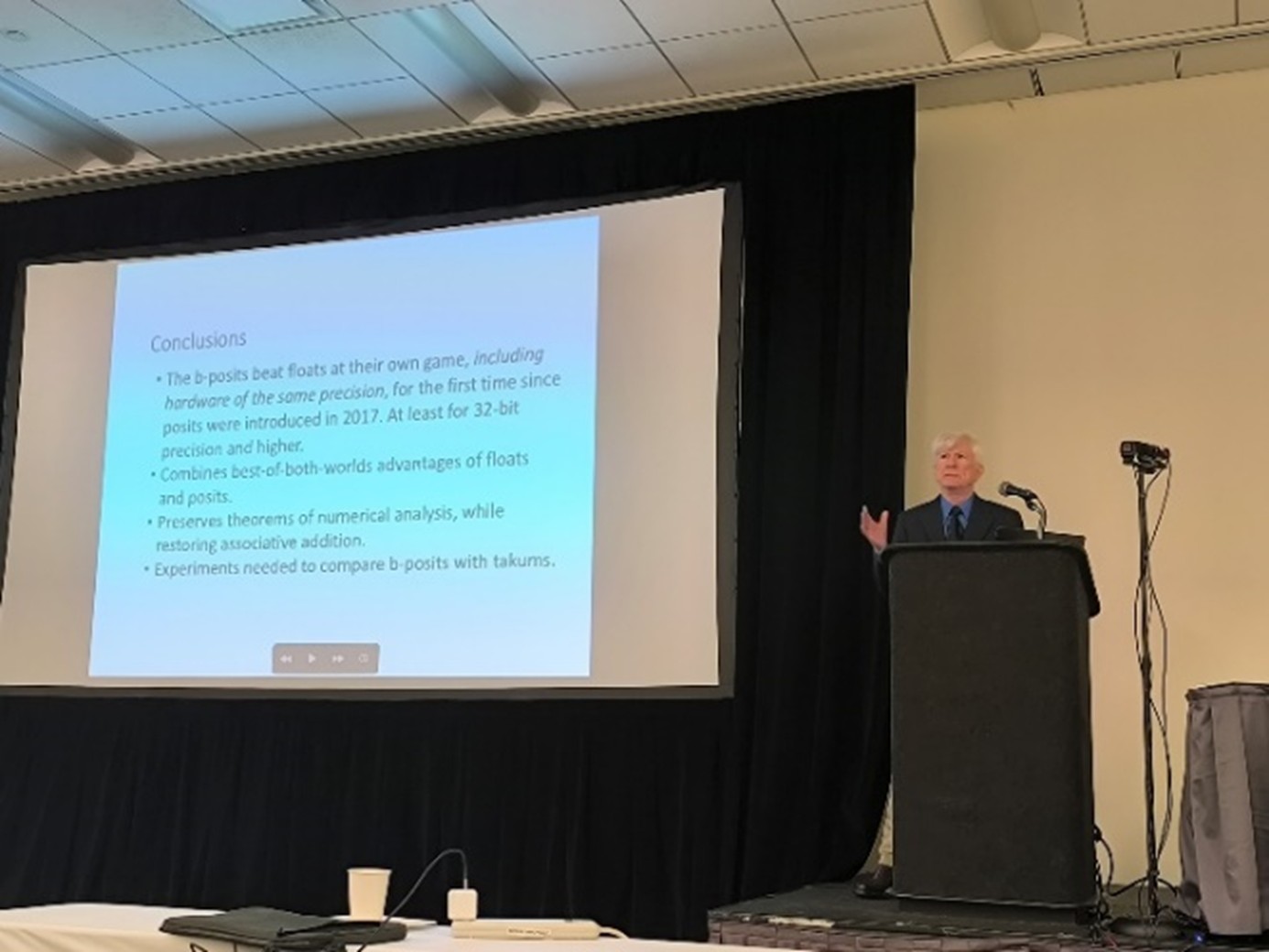
In other CoNGA works Professor Gustafson presented hardware advancements made for posits and a new enhanced and hardware friendly version of posits called bounded posits. These developments push posits to the forefront of hardware efficiency and make them ever the more useful and energy efficient compared to existing number representations. Other speakers presented a new ternary number format called Tekums and work related to Takum numbers introduced during last year’s CoNGA. The final CoNGA speaker ended the conference with a pitch to use metrics from information theory to compare and validate the usefulness of different number representation system. Sprinkled between CoNGA papers were presentations on Julia for scientific computing and talks by Mohammad Sada (San Diego Supercomputer Center) about the National Research Platform (NRP) and Aaron Jezghani (Georgia Tech) on their Rogues Gallery HPC initiative. The day ended with an adrenaline rushing night of axes (and other very sharp objects) being thrown at targets, resulting in another fun night after another successful CoNGA.
The next two days of my SC calendar was spent on tutorials and workshops on advanced topics related to HPC. Narrowing down which sessions to attend was such a difficult task as I wanted to attend multiple of them all at once! In the end, I was satisfied with having been able to attend tutorials on distributed GPU programming, performance tuning of HPC applications and LLMs for scientific computing. Another great benefit of SC25 is that all sessions are recorded and made available until the end of January, so attendees do not need to borrow a time-turner from Hermoine Granger. I also attended workshops on HPC User support tools and best practices for HPC training and education to cheer on friends and colleagues as they presented their work.
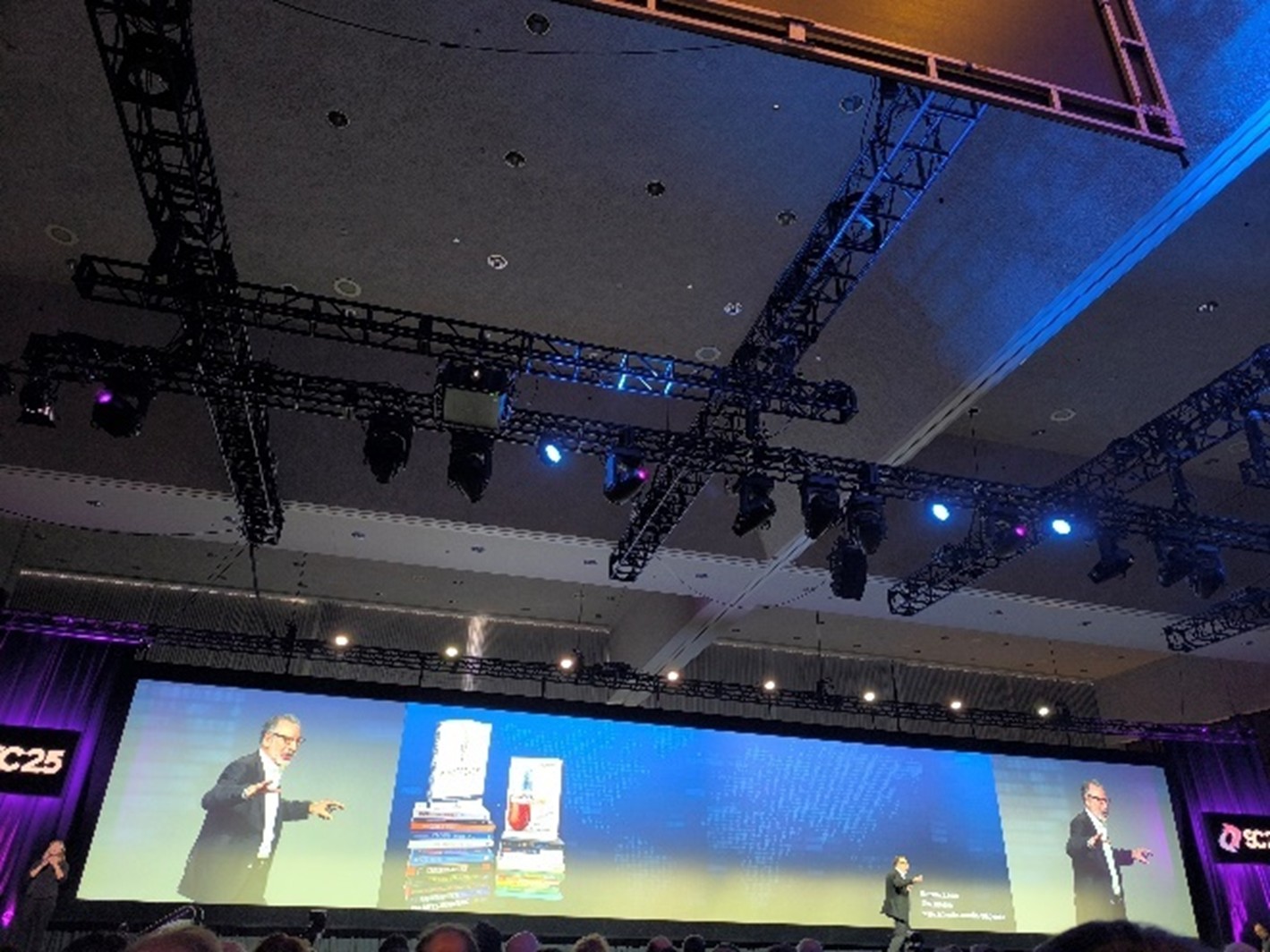
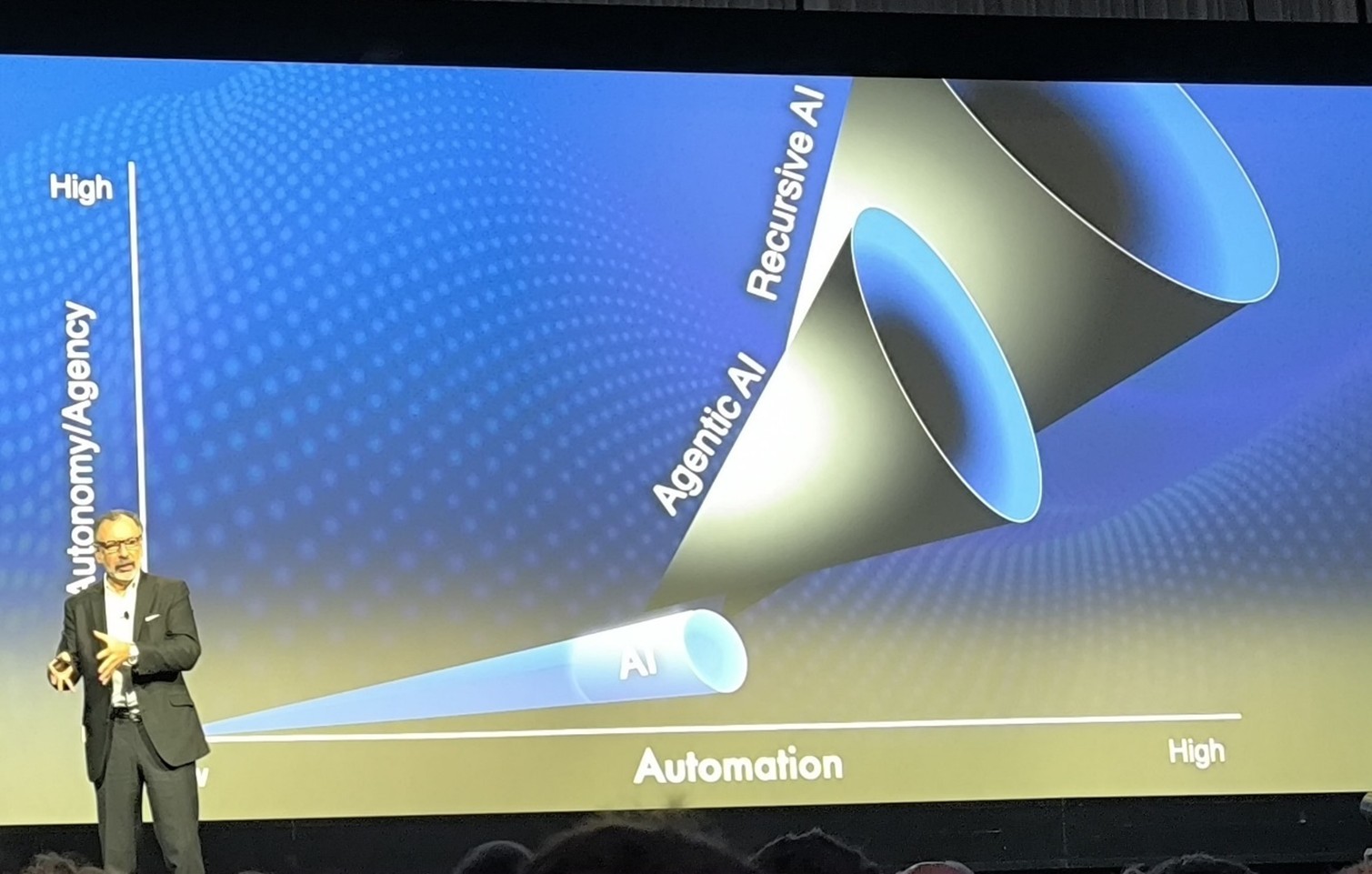
The SC25 keynote address is a special event in the conference agenda in which the general chair welcomes all attendees and acknowledges those who contributed to making the conference a reality. Acknowledgements and honors are also handed out to those who pioneered HPC developments in recent times. The actual keynote talk was given by Tom Koulopoulos who talked about what he termed “Gigatrends”, i.e. those technologies that will dramatically reshape the future. He left the audience inspired by the tremendous potential that AI has to vastly reshape areas such as healthcare and work in ways we may not be able to comprehend at present.
Technical paper sessions at SC25 showcase accepted technical contributions from researchers in HPC. As the premier conference for HPC, these works are deemed most relevant and novel by peer researchers. Therefore, by attending these talks I was able to glean insight into the research trends in areas such as precision and real number representations, ML methods, algorithms and data compression etc. Invited talks by guest speakers also allowed attendees to absorb latest information in critical areas such as weather prediction.
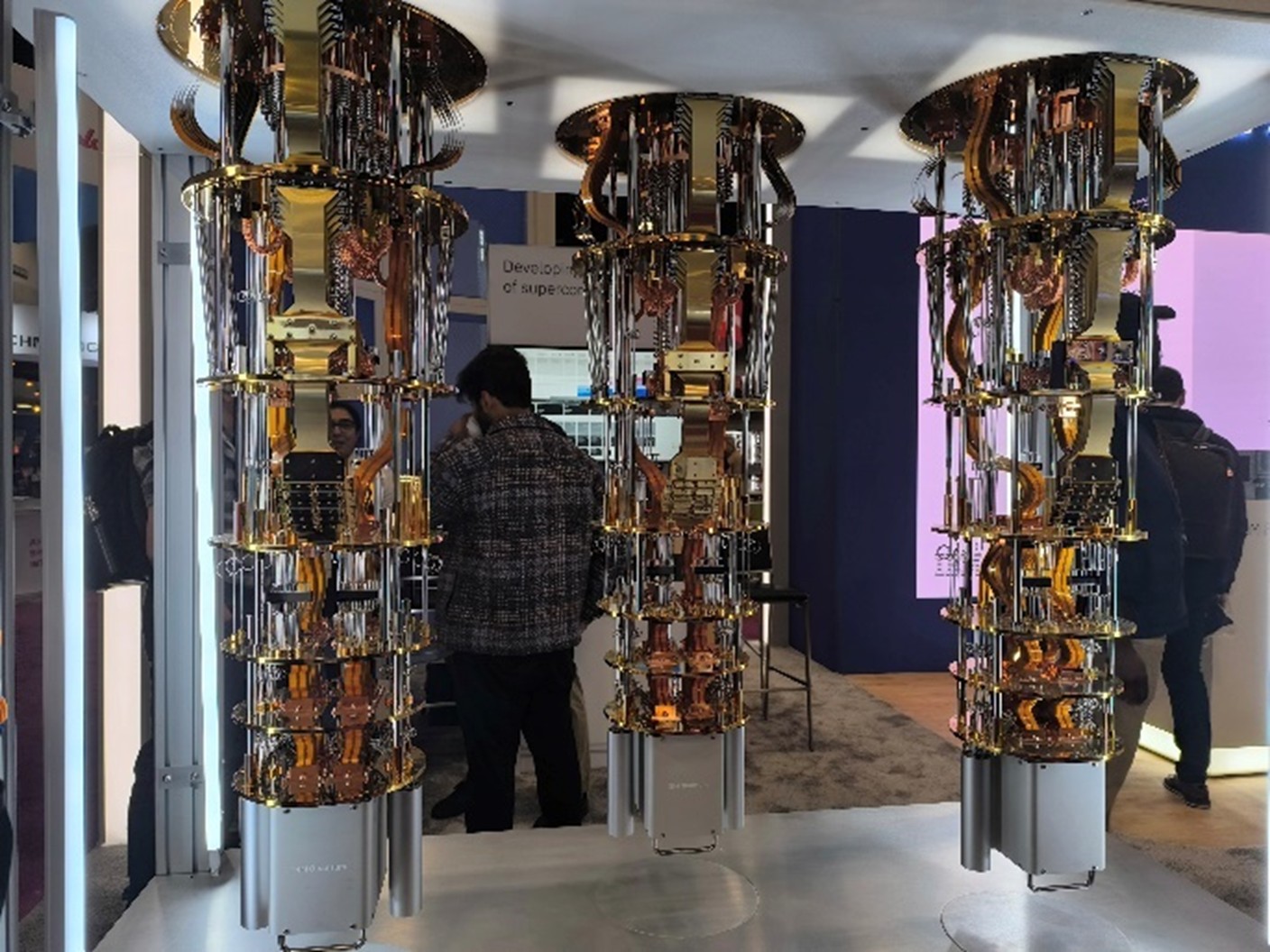
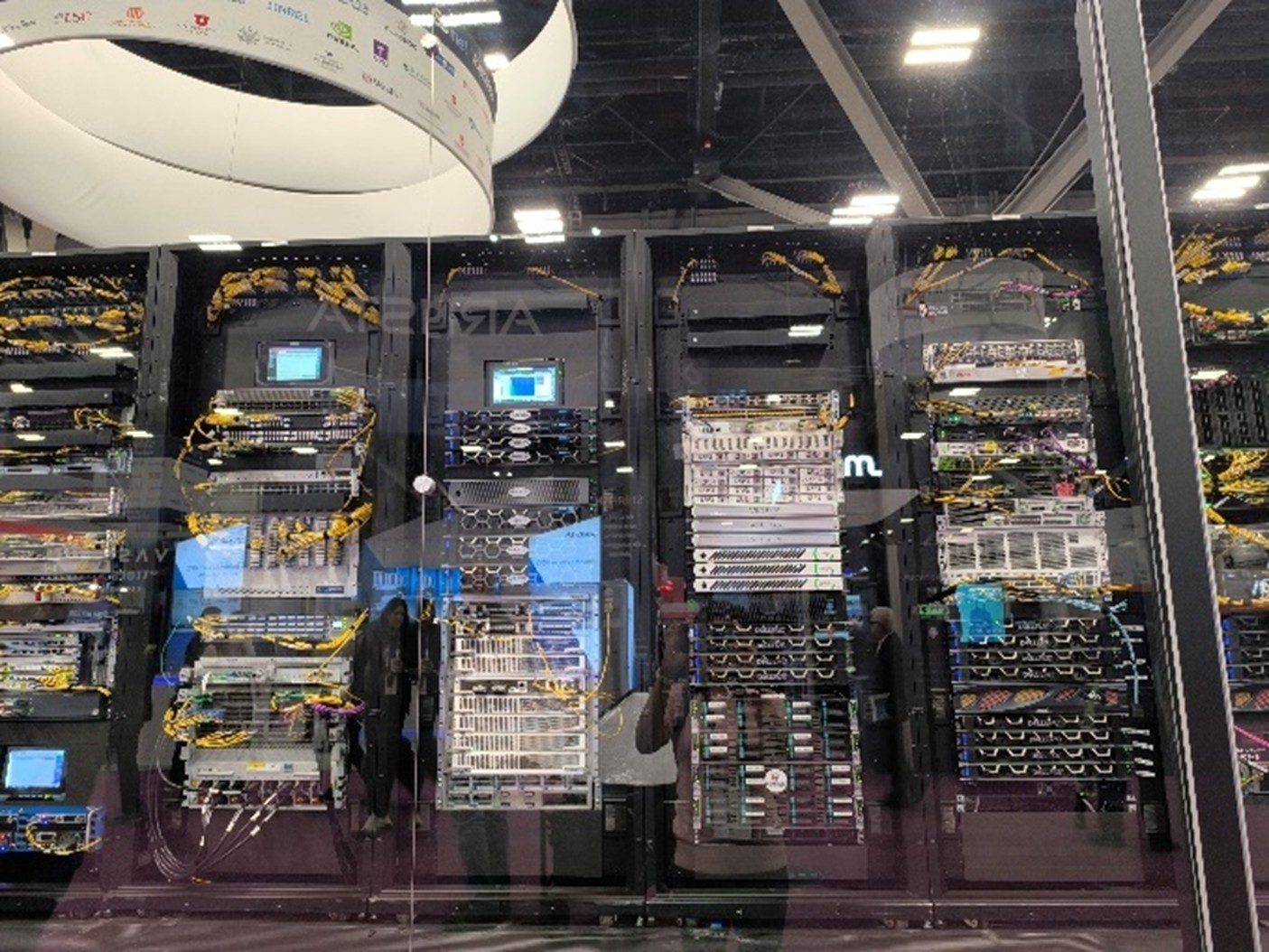
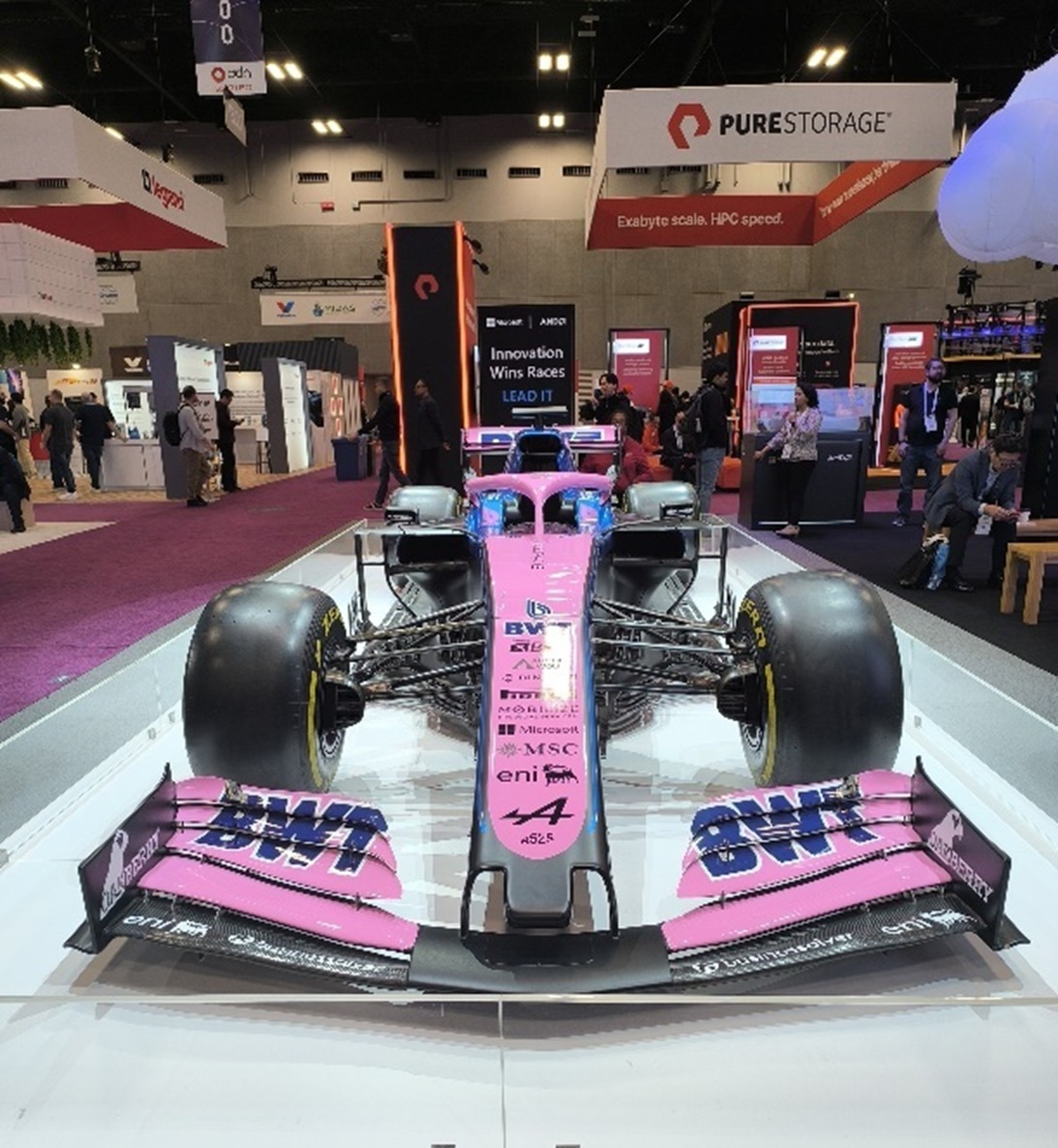
A unique and exciting aspect that sets the SC conference apart from other computing conferences is its massive exhibition of big and small players in HPC who set up booth for two days to showcase their latest and greatest innovations. Walking around the seemingly endless exhibition floor is almost an adventure with the free snacks and merch up for grabs along the trail. It is very difficult to imagine any other conference with such an experience as it had everything quantum computing models to Formula 1 cars and simulators to even a pickleball court.
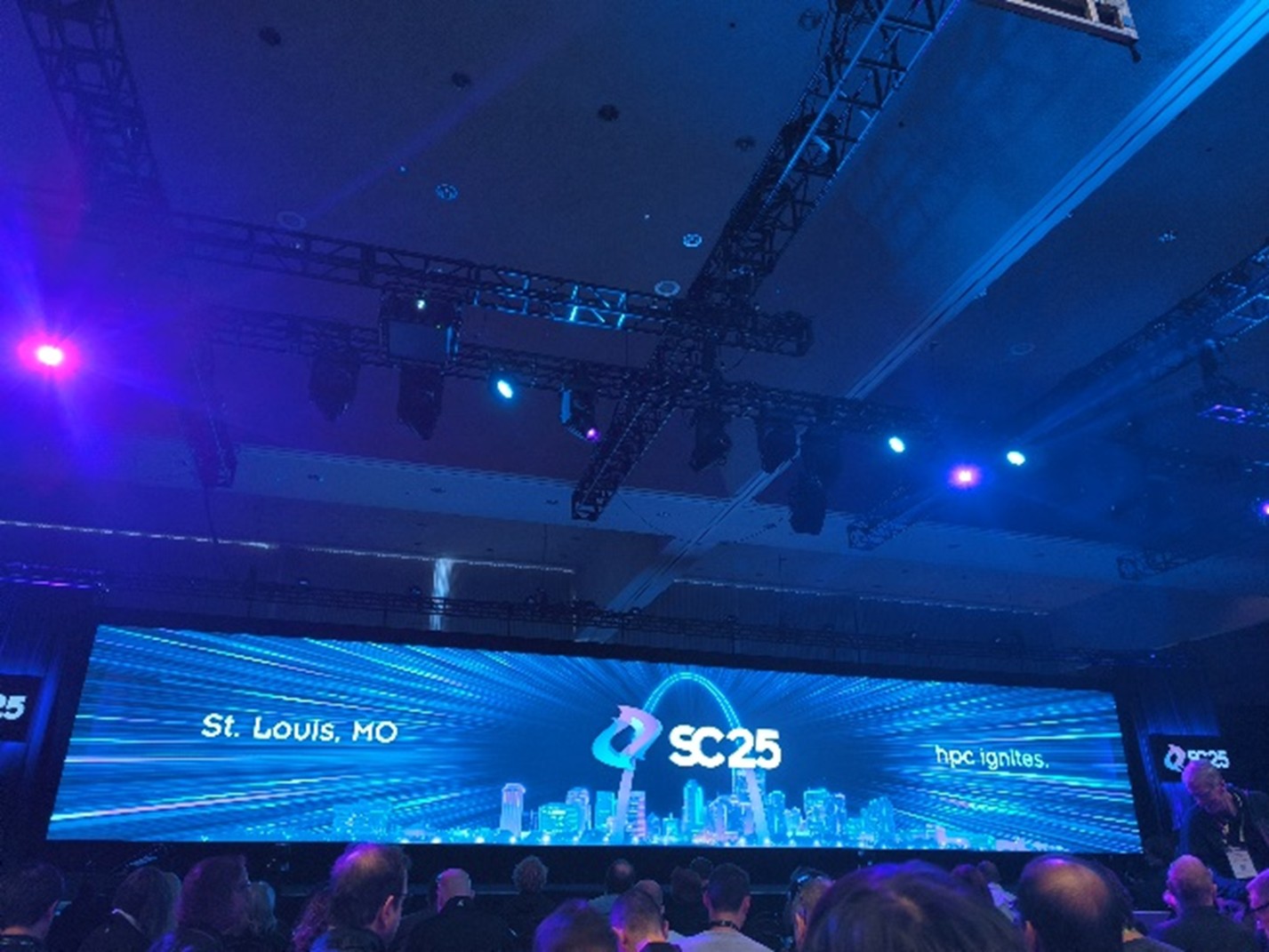
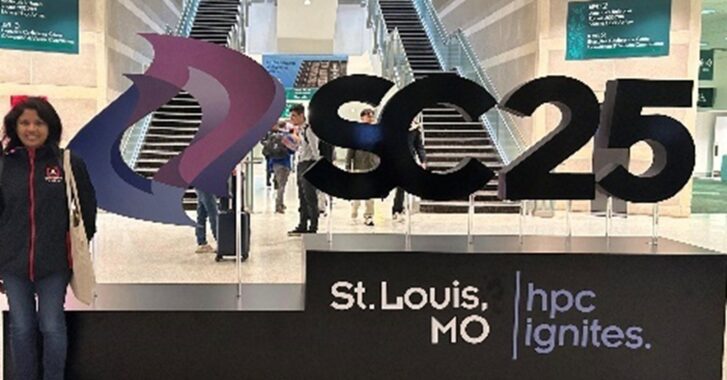
Even with all the amazing activities that took place at SC25 what made it truly special were the wonderful people I met and connected with. These interactions turned a technical conference into a more vibrant experience filled with inspiring conversations and lasting friendships. From catching up with my advisor Professor Gustafson to meeting wonderful new people like Elizabeth and the TANGO community, seeing people who went above and beyond their job scope to make SC25 and HPC events accessible to a wider community left me inspired by their passion and dedication. In my view, they truly championed SC25’s theme of “HPC ignites” to spearhead collaborations and drive the field forward.