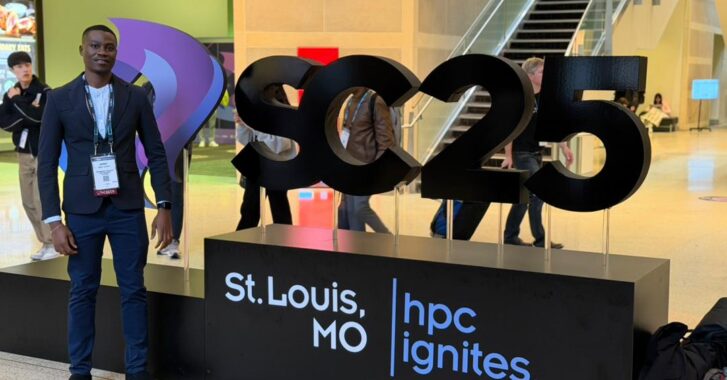
By Berny Chaimite, MoRENet, Mozambique
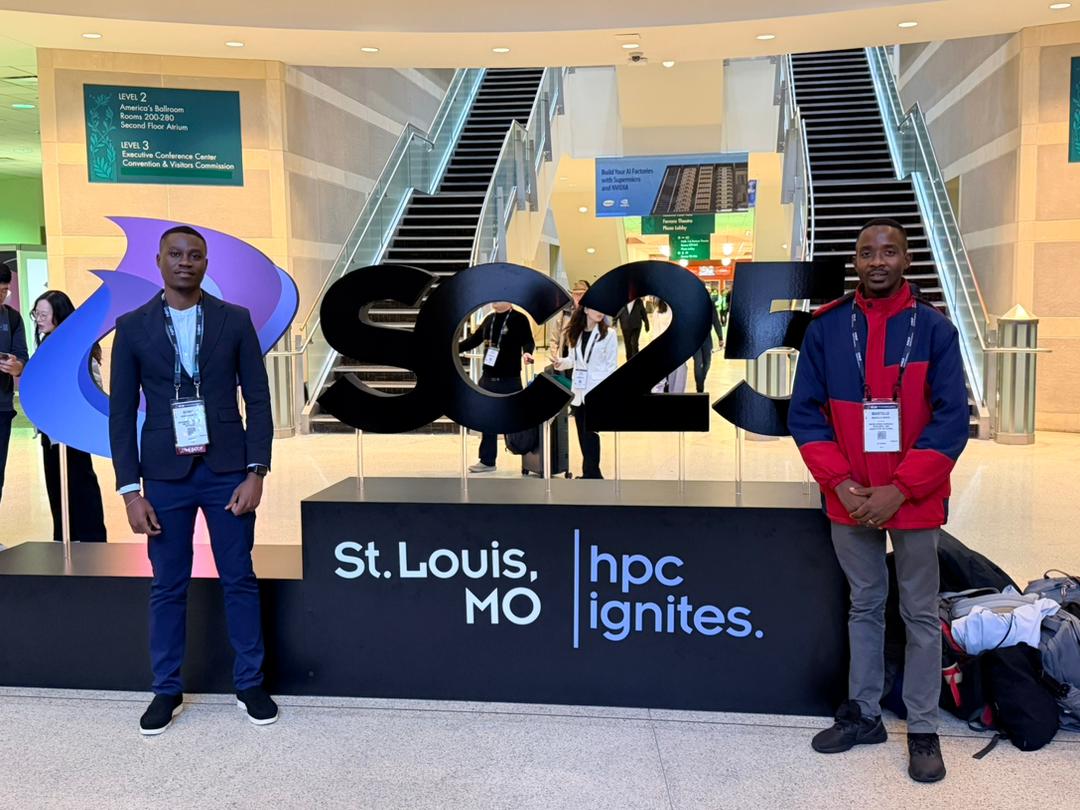
Traveling from Maputo to St. Louis, Missouri, to attend TANGO@SC25 – HPC Ignites and the International Supercomputing Conference (SC25) was an intense experience on every level: physical, intellectual and emotional. It wasn’t just a trip to attend technical sessions—it was a deep immersion into the global HPC ecosystem, filled with knowledge, people, reunions, challenges, and moments that will last a lifetime. This journey represented the presence of MoRENet, Mozambique and the Southern African Development Region (SADC) region on one of the world’s biggest stages for computational science—and that, in itself, carries enormous meaning.
Before the flight: uncertainty, anxiety… and last-minute relief
Even before thinking about jet lag, there was a moment of real tension: the visa. Days went by, the calendar tightened and confirmation took longer than expected. Anyone who’s been through this knows—it’s a mix of anxiety, hope and mental preparation for every possible outcome. Approval came almost at the last minute. One of those moments where you breathe deeply and smile to yourself.
A very special thank you to Elizabeth Leake (STEM-Trek) for her promptness, availability and genuine human support throughout the process. Her intervention was decisive. I also thank the institutional support that made this mission possible. That backing doesn’t just enable travel—it motivates, strengthens and prepares us to tackle ever greater challenges.
Arrival in St. Louis: tired body, awake mind
Arriving in St. Louis brought that classic contrast: a body weary from the long journey and a mind already curious, in full conference mode. The city welcomed us with organization, friendliness, and a clear sense that science, technology, and innovation naturally coexist there. Between transfers, first meetings, and getting oriented, jet lag was making itself felt—but the anticipation of what was to come spoke louder.

TANGO@SC25 (Nov 14–15): learning in jet lag mode
November 14 and 15, dedicated to TANGO@SC25, were intense. Coffee in survival mode, body on the wrong time zone, but absolutely stunning technical content.
Day 1 — GeoAI: when data becomes decisions
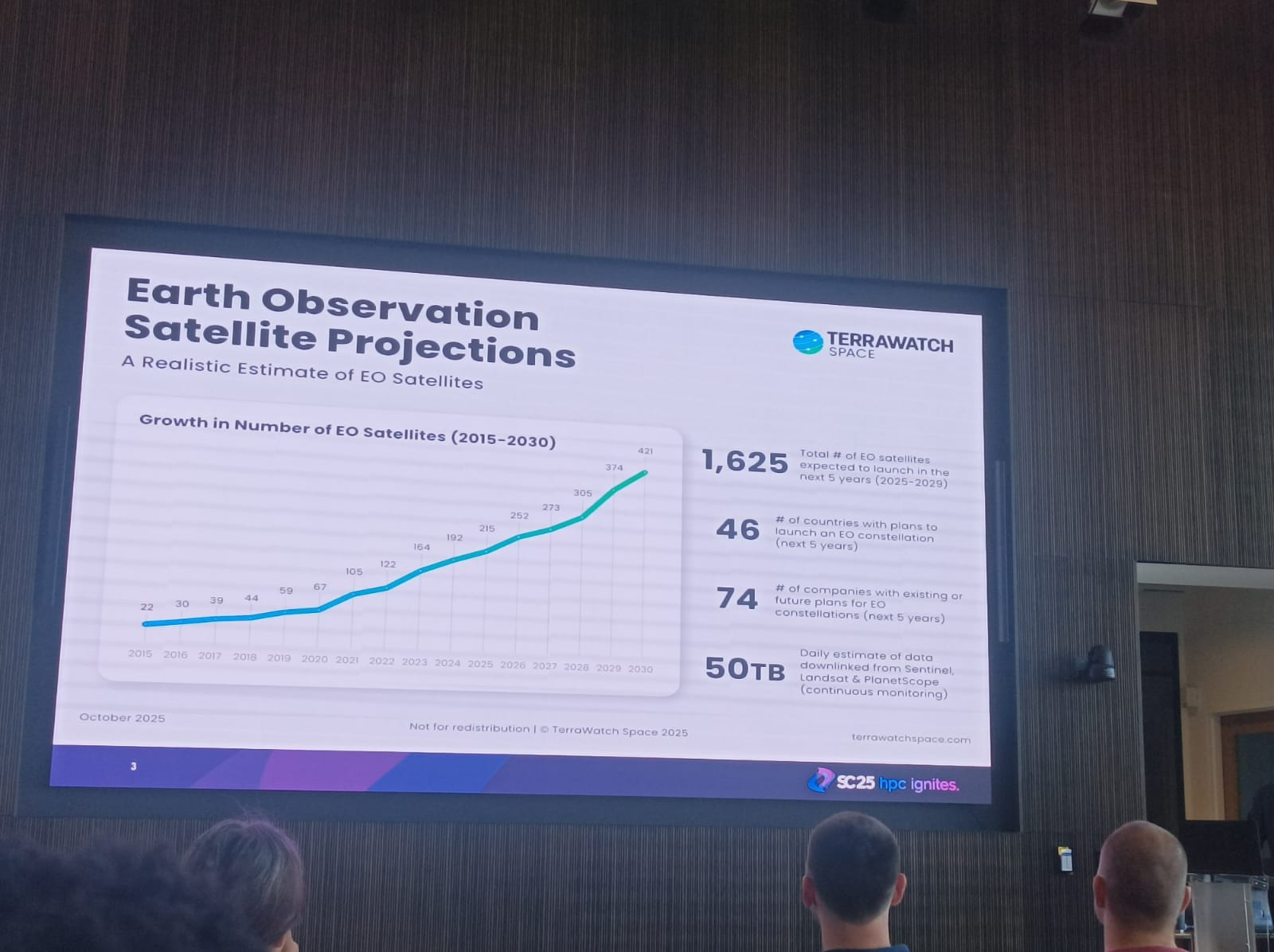
The first day focused on HPC and GeoSpatial Intelligence (GeoAI). What struck me most was the clarity in showing the full chain—from observation to decision.
Understanding how:
• Earth Observation data (Sentinel, Landsat),
• combined with AI and supercomputing,
• can generate actionable information in near real-time,
This was particularly impactful for someone working in a country like Mozambique, highly vulnerable to extreme events. GeoAI ceased to be just a tech trend—it clearly became a strategic tool for sustainable development, capable of turning pixels into policies that save lives and protect communities.
Day 2 — Arithmetic: the invisible that changes everything
The second day dove into something less visible but essential: computational arithmetic and next-generation numerical formats. Discussing FP8, bfloat16, posits, and energy efficiency showed how seemingly “low-level” decisions in the tech stack directly influence:
• Energy consumption,
• Operational costs,
• and the sustainability of HPC and AI systems.
It was a powerful reminder that not all innovation is visible, but it can have profound impact—especially in emerging centers, where every watt counts toward making ambitious projects viable. These insights resonated with me as a call to rethink our infrastructures in Mozambique, prioritizing efficiency without sacrificing computational power.
The Post Building: history, innovation… and adrenaline
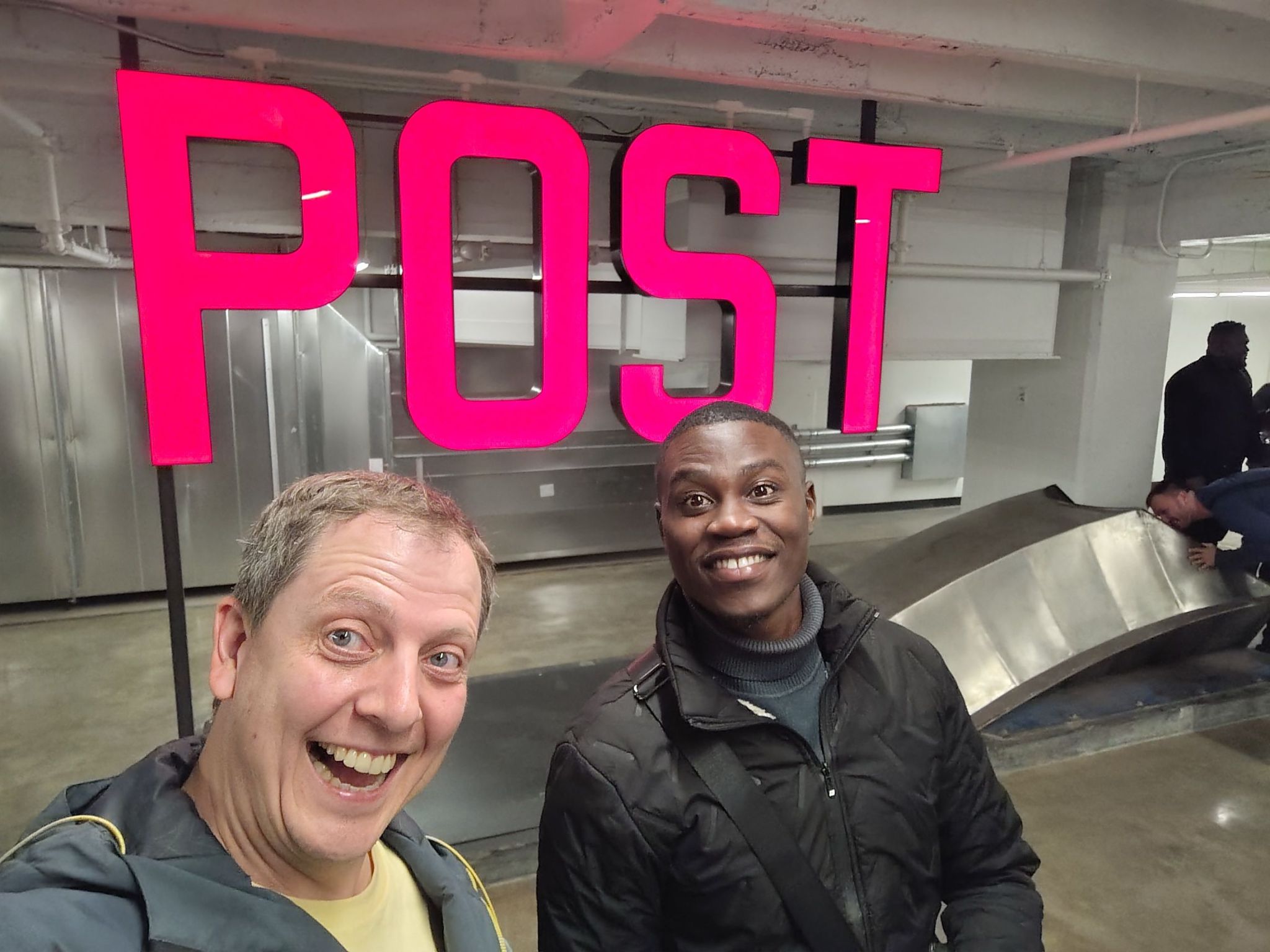
The visit to The Post Building was one of those moments where history meets the present. Former home of the St. Louis Post-Dispatch, the building is now a modern innovation hub, keeping the link between past and future alive. And then came the unexpected moment: the tunnel dispatch – My colleague Martilio and I hesitated. Others did too. But when we saw Bryan and John Pool join the fun, courage appeared. The adrenaline, laughter, and team spirit made the moment unforgettable. Wow… what a great feeling! It was as if, for a few instants, the weight of technical sessions gave way to pure adventure, reinforcing that innovation also springs from fun and boldness.
HPC Illumination Pavilion: Mozambique at the center of the conversation
One of the highest and most symbolic moments of SC25 was the HPC Illumination Pavilion. Seeing Mozambique represented in that space, through my trench mate Martilio Rafael Banze with the presentation “Building Mozambique’s National HPC Ecosystem,” was profoundly moving. Sharing our country’s journey—challenges, limitations, achievements, and vision—alongside countries like Mali, Botswana, South Africa, and others showed something essential: Africa isn’t just learning HPC. Africa is building HPC. It was a space of pride, genuine exchange, and strengthening of pan-African cooperation, where stories of resilience intertwined, creating a sense of global belonging that filled me with hope.
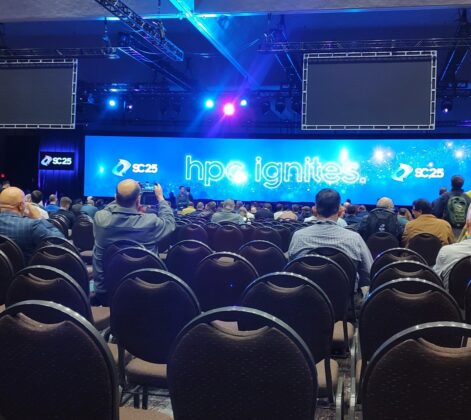
The main SC25 conference confirmed what makes this event unique: the community. Reuniting with colleagues from the SADC region, the pan-African community, and other parts of the world reinforced bonds built over years and opened doors to new collaborations.
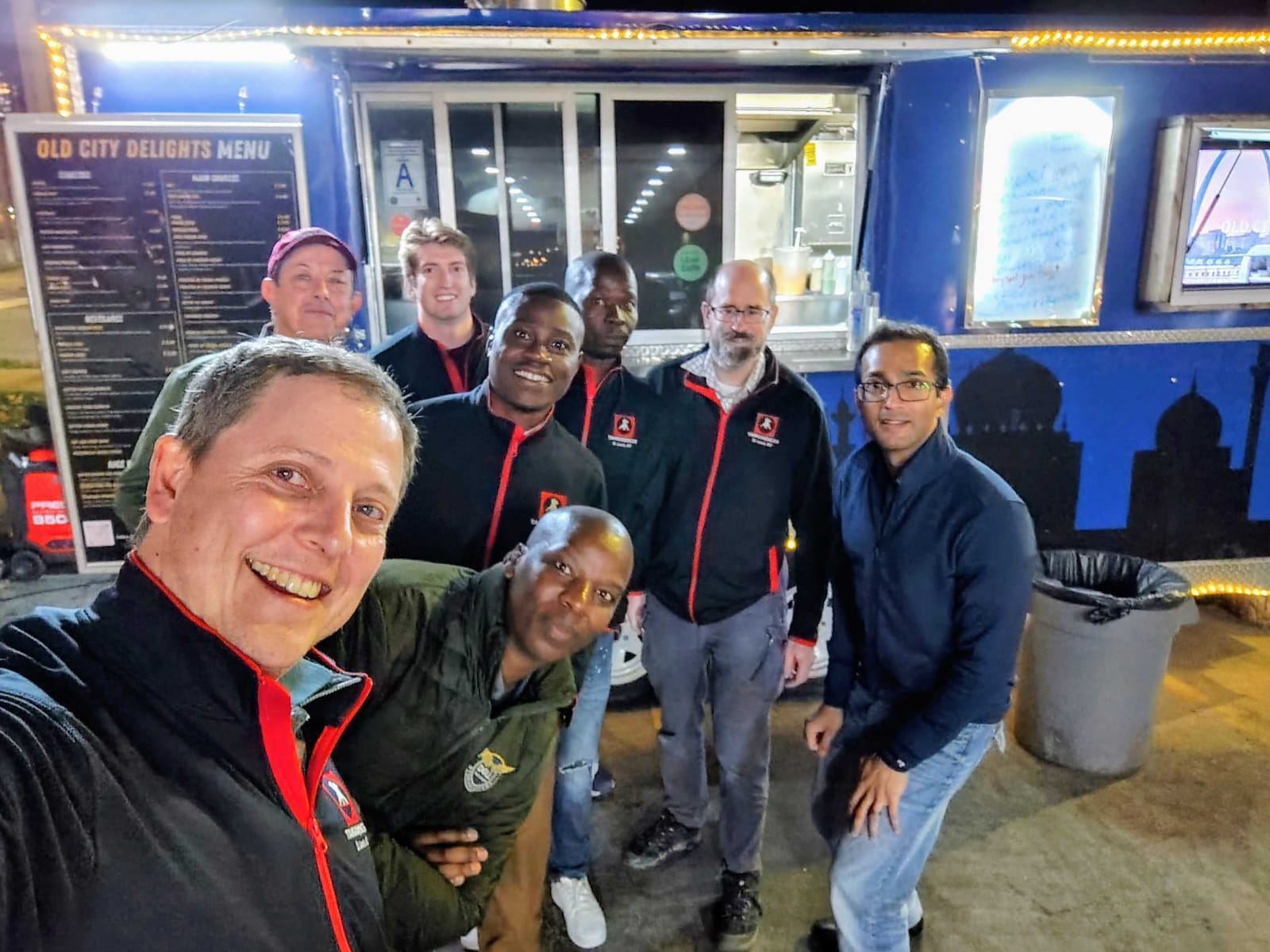
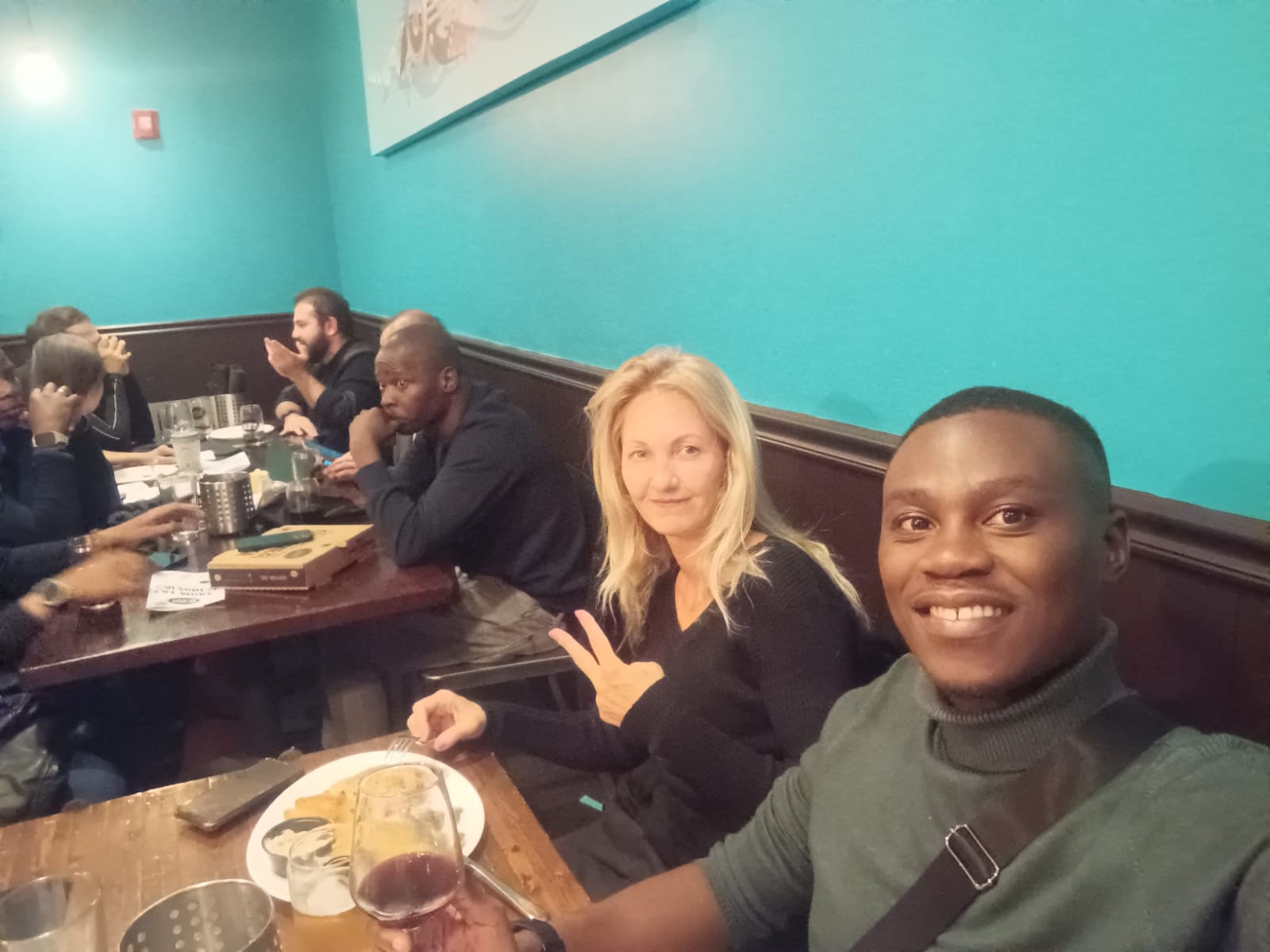
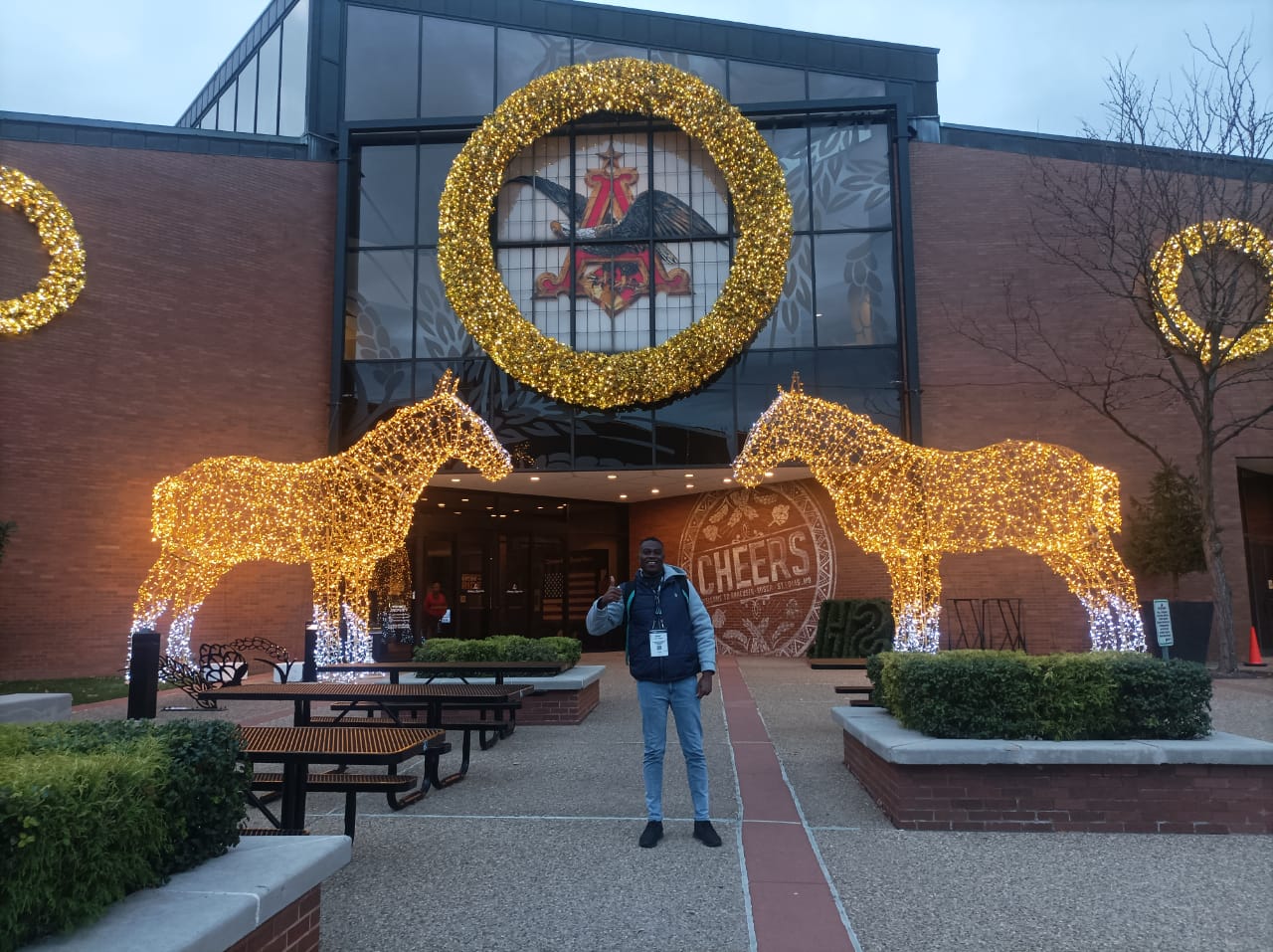
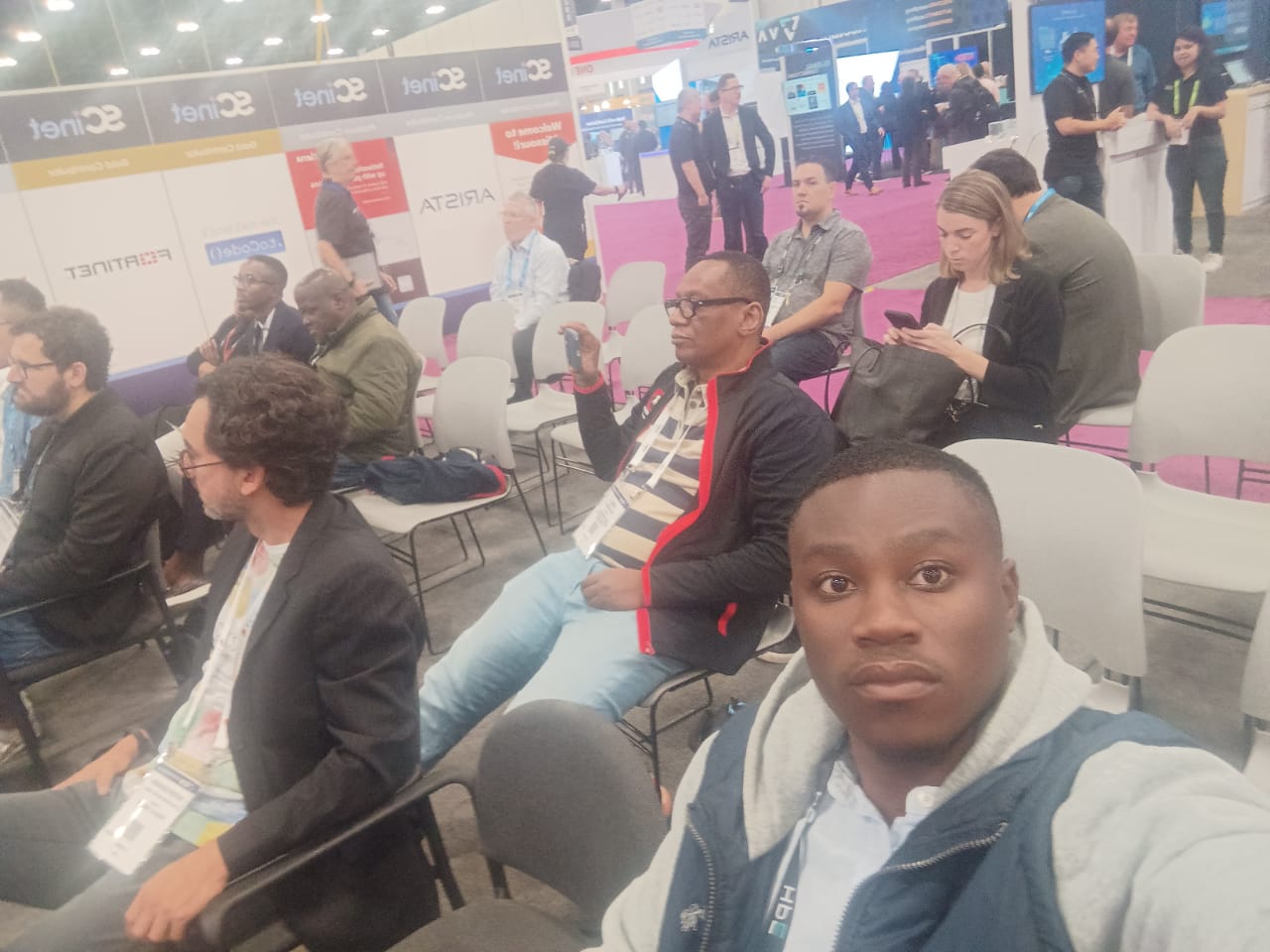
Outside the technical rooms: where lasting connections are born
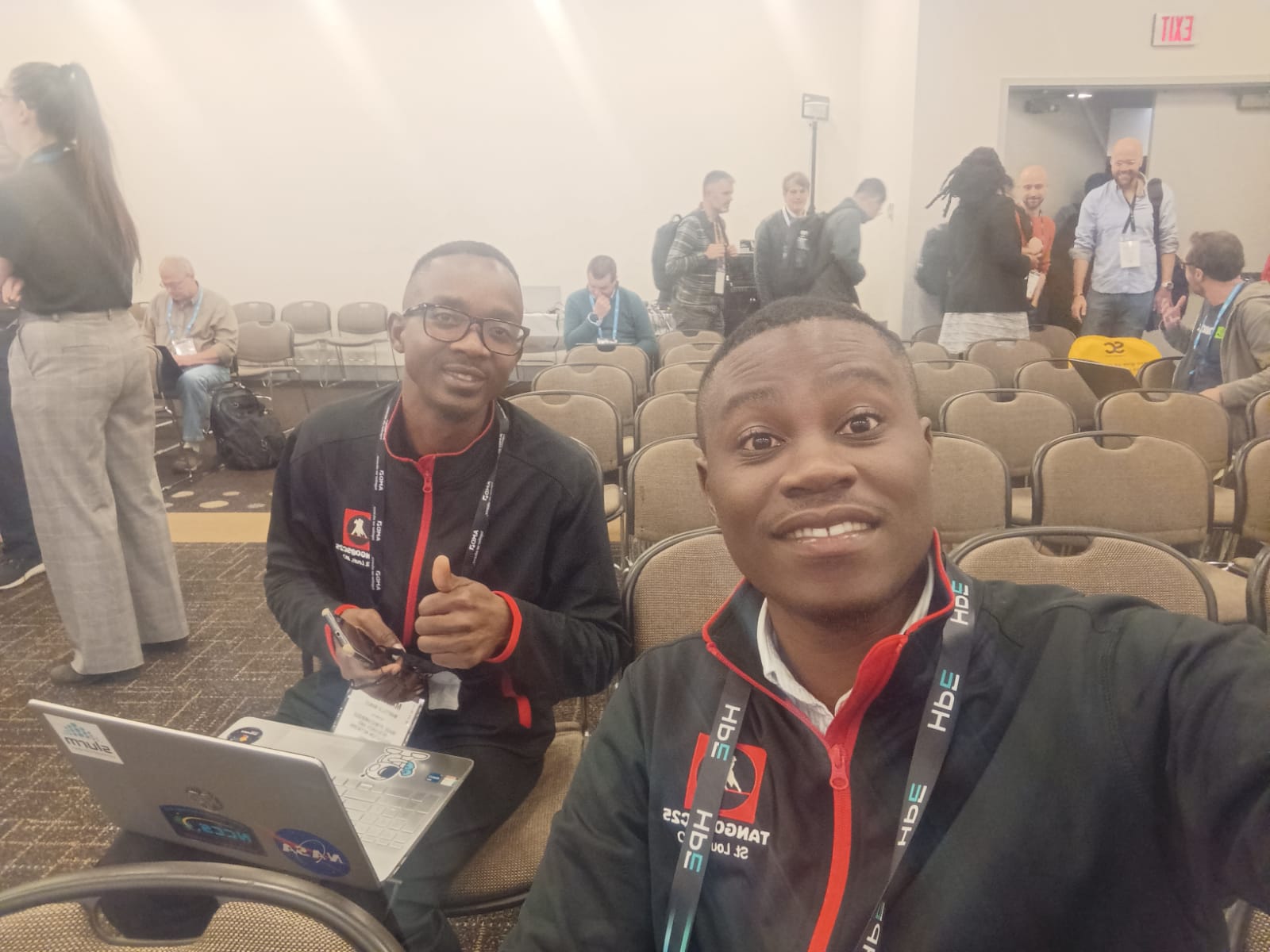
Some of the most memorable conversations happened outside the technical rooms. At the SC25 Kickoff Happy Hour, organized by the Google Cloud Advanced Computing Community, I met incredible people. Talking with Felix Schürmann (Google) brought new perspectives on advanced computing and AI. Conversations with Emily and Yves (EPFL), exploring Emily’s scientific paper on display, were rich and inspiring. These informal, human moments—shared laughter, ideas exchanged over drinks—often give rise to the most enduring connections, turning contacts into allies for the future.
St. Louis Science Center: science, fun and living curiosity
One of the most relaxed and enjoyable moments of the week was the SC25 community outing to the St. Louis Science Center. After intense days of technical sessions, it was refreshing to experience science in a lighter, exploratory, and interactive way—a balm for the mind exhausted by jet lag and dense discussions on algorithms and clusters. Amid laughter and curiosity:
• we tried virtual reality, including a true journey into space, where for a few minutes we all felt like astronauts, floating among stars and planets in an immersion blending cutting-edge technology with the childhood dream of cosmic exploration.
• we explored interactive exhibits that make scientific concepts accessible and engaging, like quantum physics simulations and terrestrial ecosystems, reminding us how HPC can democratize knowledge.
• and, of course, we were amazed by a huge dinosaur in the center of the room, an imposing replica that transported us to prehistoric eras, evoking the primal fascination with science many of us felt as children.
It was a special moment of fellowship, adventure, and sharing—a reminder that science can (and should) be fun, inspiring both children and adults. There, surrounded by colleagues from different corners of the world, I reflected on how experiences like this could be replicated in Mozambique: imagine a similar center in Maputo, using GeoAI to educate about climate change or HPC to simulate natural disasters. It was emotional, because it wasn’t just fun—it was a vision of the future, where technology unites generations and continents.
Technical lessons that stay
Amid so many sessions, clear messages remained:
• Modern AI is GPU-native and requires asynchronous execution;
• Parallelism is often about viability, not just speed;
• Scaling requires co-design, not just hardware;
• MPI remains essential but needs to evolve;
• HPC and quantum computing are complementary.
These lessons aren’t abstract—they resonate directly with challenges in Mozambique, where limited resources demand creative and sustainable solutions.
Mission accomplished; eyes on the future
None of this would have been possible without the human and institutional support throughout the process. A special thank you to Elizabeth and Bryan for the organization, logistics, and genuine care. The mission was a success. I return from St. Louis with knowledge, connections, and a reinforced conviction: When there are support, collaboration and purpose, we are ready to tackle greater challenges and turn technology into real impact. St. Louis wasn’t just a destination. It was a milestone in a larger journey toward strengthening HPC in Mozambique, the SADC region, and Africa. My sincere thanks to all sponsors and partners who made this incredible experience possible.